
Annual ROC Compliance for Companies: What Every Business Must Know

Annual ROC compliance for companies is obligatory as per the Companies Act, 2013 that each registered company in India must adhere to. Irrespective of whether a company is active, dormant or has not done any business during the year, ROC compliance is sine qua non. These yearly filings help the Registrar of Companies ensure that the company’s financial position, management structure and operational status are current. Failure to comply can lead into significant fines, disqualification of the director and long term legal issues.
It is important for business owners striving to stay legal and out of trouble to have a grasp on what annual ROC compliance means for companies.
What Is Annual ROC Compliance for Companies?
What is Annual ROC Compliance for Companies? These filings generally include financial reporting, annual returns and other required disclosures in order to remain transparent and accountable.
The reason for the annual ROC compliance by companies is so that the government and the company’s stakeholders have up-to-date and correct information with respect to the affairs of the company. (Obligations under this rule apply to private companies, one person companies and public companies alike).
Key ROC Forms Required for Annual Compliance
Annual ROC Compliance for Companies: Mandatory Forms
As per the process of annual ROC compliance for companies, various forms are required to be filed by certain due dates. The principal forms are AOC-4 (holding financial statements for the company) and MGT-7 (for Shareholder, Director and Company structure details)/MGT-7A.
These documents paint a picture of the company’s financial health and governance. It is important to file correct information because a wrong or delayed filing may attract penalty under the Companies Act.
Due Dates for Annual ROC Compliance
Timelines are also a big part of annual ROC compliance for companies. The financial statements shall be submitted to the council within 30 days of AGM and annual returns should be filed with the council within 60 days from the date of AGM.
Failure to meet these deadlines results in penalties, which grow daily. Continuous delays add to the financial cost as well affect the company’s compliance record and will make it difficult for them to obtain other approvals and funding in the future.
Importance of Annual ROC Compliance for Companies
Annual ROC compliance for the companies in India is more than a legal obligation, It is a necessity to upkeep the credibility of your business. By staying current with ROC requirements, companies demonstrate their reliability to banks, investors, vendors and government agencies.
If complied with, this ensures easy access to loans, investments and government registrations. It shields directors from liability and disqualification, which can have severe repercussions on professional reputation.
Penalties for Non-Compliance with ROC Filings
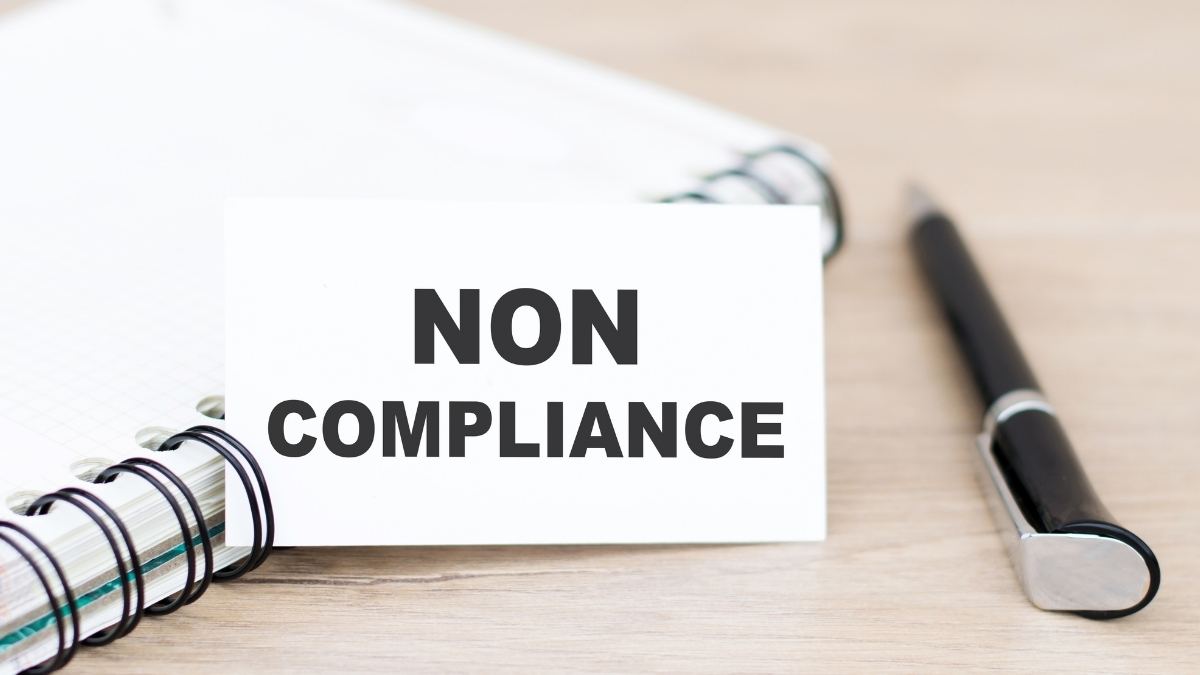
Companies who fail to perform their annual ROC compliance for companies could be penalised heavily for the same. A late filing of the application will invite monetary penalties which may extend up to lakhs of rupees depending on delay. Directors can also be disqualified and prevented from serving as directors of other companies.
In very serious circumstances, continued non-compliance can mean the company is declared as inactive or struck off the register by the ROC. This can be incredibly damaging to businesses.
Common Mistakes Companies Make in ROC Compliance
Believe it or not, there are many businesses who do not understand the significance of annual ROC compliances for companies and put off filing based on ignorance or lack of sensibility. Typical errors are failing to meet deadlines, submitting false financial information or disregarding compliance when there is no business activity.
Even the No Turnover companies are mandatory to file Annual ROC Compliances for companies. Forgetting to comply with this rule will likely result with an unexpected slap on the wrist from a law firm.
How Professional Support Simplifies ROC Compliance
Annual ROC compliance of companies involves a lot of documentation, updating the financial and legal records and hands on knowledge of the regulations. Professional companies such as Nvedya Professionals LLP assist organizations in managing ROC filings smoothly and on time.
With professional support, organizations can be confident in error-free compliance, accurate filings, and complete peace of mind. By hiring ROC compliance outsourcing company, business owners get to concentrate on growing it and specialists will take care of firm’s regulatory responsibility.
Conclusion
Annual ROC compliance for companies is a statutory requirement which must not be missed under any circumstance. Up-to-date and correct ROC filings will keep your company oriented about being penalized, disqualified from a directorship or any other legal trouble. Your business can be transparent, credible and sustain long term operations in India regulatory landscape by knowing what the compliance requirements are and addressing it with an expert!
Media Contact
Nvedya Professionals LLP
📧 Email: contact@nvedya.in
🌐 Website: www.nvedya.in
Follow us on: Facebook | Instagram | LinkedIn