
How Budget 2026 Will Affect Companies, Professionals and Entrepreneurs in India
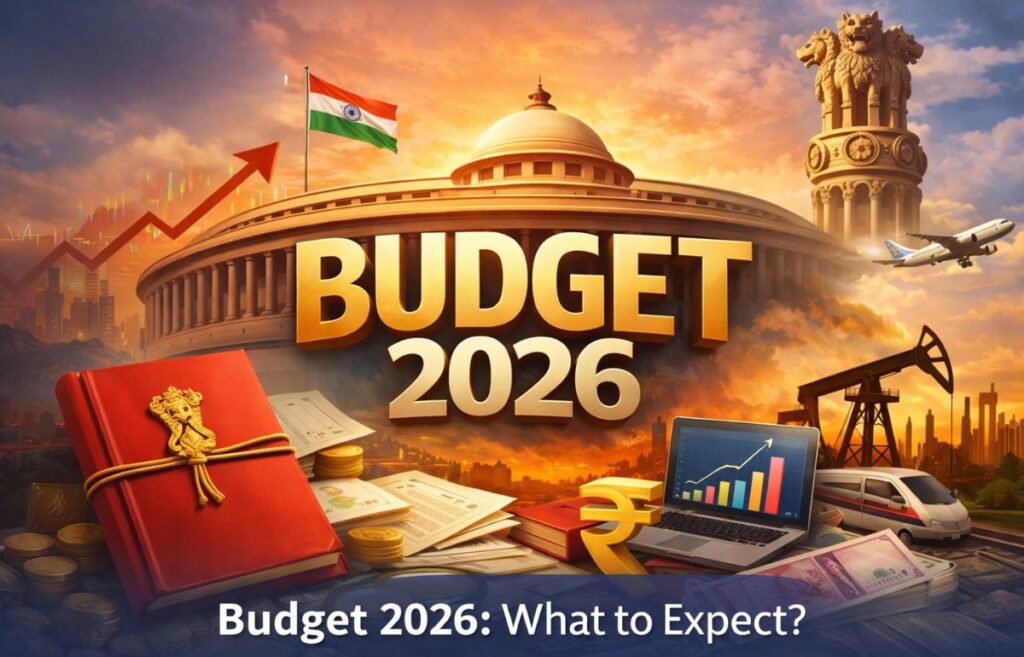
How Budget 2026 Will Affect Companies, Professionals and Entrepreneurs Budget 2026 impact on industries is said to have a huge role in effectuating India’s economic future in years ahead. Each and every Union Budget directly affects the operations of companies, tax planning strategies of professionals and scaling up plans of entrepreneurs. Budget 2026 is expected to concentrate on growth in the economy, ease of doing business, digital compliance and MSME and startup support. By being aware of the changes beforehand, it allows business and professional to prepare rather than react. Budget 2026 Impact on Businesses and Corporate Sector The impact of Budget 2026 on businesses The companies were looking for changes in corporate tax, the compliance framework and investment-led growth incentives. You might see policy measures that are designed to spur manufacturing, infrastructure and job creation by companies. Streamlining of compliance, as well as a drive to go with electronic reporting, might ultimately ease friction operationally. But the increase in regulatory scrutiny and tighter reporting requirements could force businesses to improve internal accounting and compliance systems to avoid punishment. Impact of Budget 2026 on Small Businesses and MSMEs Focus on small business and SMEs has been an ongoing trend in every Union Budget, every year and the same is true for Budget 2026. The legacy of the budget 2026 on businesses of this profile, may include increased credit access and government guarantees that not to mention offers him formalization stimuli. Further tax benefits, digital compliance assistance and schemes for incentive to technology adoption might also be availed by MSMEs. At the same time, tight adherence timelines may make it imperative for MSMEs to subscribe to professional accounting and advisory services. Budget 2026 and Its Effect on Professionals Some of the professionals – chartered accountants, doctors, consultants, lawyers and freelancers – are directly impacted by changes in income tax slabs, deductions and compliance regulations. The impact of budget 2026 on business applies to individual professionals as well with the modifications in advance tax rules, TDS provisions, and digital filing norms. Any changes that do serve to broaden the tax base will also have the potential to increase compliance, which may make accurate tax planning and timely compliance even more necessary than in the past. Entrepreneurs and Startups: Opportunities and Challenges The announcements in the budget are eagerly followed by entrepreneurs and startups as they directly affect funding, taxation & regulatory ease. Budget 2026 : Innovation, Startup funding, and Employment generating incentives might get introduced in Budget 2022. There could be some comfort measures for businesses in the startup ecosystem which would see an impact till 2026 like tax relief for early-stage companies, simpler valuation norms and better government-backed funding programs. But founders need to be ready for much more stringent compliance regimes as the government focuses on transparency and accountability. Taxation Changes and Compliance Expectations Perhaps the most highly anticipated feature of any budget is taxes. The budget 2026 impact for businesses could mean changes to corporate tax rates, GST governance frameworks and reporting requirements. “Expect to see a continued focus on digital compliance, data matching and automated checks for businesses and practitioners. Whilst these measures are an attempt to reduce the risks of tax evasion, it will mean more emphasis is placed on keeping accurate records and making filings as well as professional advice. Digital Economy and Ease of Doing Business Budget 2026 is likely to give a fillip to India’s digital economy with impetus for paperless compliances, online approvals and technology driven governance. The budget impact on businesses 2026 could see incentives for using digital tools, cloud accounting & compliance automation. These alterations can create efficiencies, but they also necessitate that companies upgrade systems and train teams. Early adopter companies are likely to have an easier time of it and also reduce the risk of non-compliance. Strategic Planning After Budget 2026 Announcements It has become extremely important that after the announcement of Budget 2026, all such businesses, professionals and entrepreneurs quickly assess how it will affect their business and finance. The potential-impact on businesses of the budget 2026 should be measured by examining tax change, compliance requirement and available incentive. Proactively planning can enable businesses to maximize tax positions, avoid any last-minute mistakes and ensure their business strategies are in line with policy direction. Role of Professional Advisory in Budget Implementation Correct interpretation of budget allocations are as crucial as the announcements. The impact on businesses for the budget 2026 A range of factors could see similar companies in different structures have a wide variation to their bottom line position when it comes to industry. Professional advisory firms such as Nvedya Professionals LLP assist companies and professionals with understanding budget implications, ensuring compliance, and adopting tax efficient strategies. Advice from the experts reduces risk and enable stakeholders to maximize available benefits. Conclusion The businesses impact of budget 2026 will affect business owners, professionals and entrepreneurs with changes to tax rates & policies, taxation and compliance laws, digital governance, growth incentives. New open doors are on the horizon across industries, but heightened compliance and reporting requirements should not be overlooked. Budget 2026 year will require strategic planning, timely adherence and expert advisory services to cross over smoothly and keep your financial status and growth in good shape. Media Contact Nvedya Professionals LLP 📧 Email: contact@nvedya.in 🌐 Website: www.nvedya.in Follow us on: Facebook | Instagram | LinkedIn
Why MSME Registration Is a Growth Catalyst for Small Businesses in India

MSME Registration: A Strategic Advantage for Small Businesses in India Here are reasons why MSME registration has become an essential step for small businesses in India who aspire to grow in a structured and secure way. Without recognition and support from the government, one wouldn’t be able to grow a business in today’s competitive environment. The registration of MSMEs results in legal identity to small businesses, assist them in terms of both financial and technical support, ensuring their easier access to the several government schemes that more often than not are aimed at bulwarking Indian economy’s backbone. Most businesses continue to function without MSME registration, oblivious of the benefits they are overlooking in the long run. Understanding MSME Registration and Its Role in Business Growth It is a government certification that is issued to INC through MSME Ministry. This registration is aimed at proper categorisation of businesses on the basis of turnover and investments. “MSME registration is crucial to supporting entrepreneurs, as it provides access to policy support, financial assistance and intervention schemes that are not available for unregistered businesses. Businesses that have MSME registration get the benefit of credibility and trust and can serve as a means to bring in newer clients from other unexplored or virgin markets as well. MSME Registration Benefits for Small Businesses in India One of the greatest advantages about registering your MSME is the access all these advantages which are to a various extent designed for small businesses. It’s these advantages—the sap of government subsidies, priority sector lending, discounted interest and special business activity schemes. MSME registration also enables businesses to participate in programs for skills improvement, technology upgradation, and enhance operational efficiency. For small businesses, MSME registration is a stepping stone that brings them one step closer to long-term stability and sustenance. Easy Access to Loans and Financial Support Escape_online When it comes to small businesses, access to finance can be a thorny issue. It facilitates access to loans from banks and financial institutions with support of the government. Being a registered MSME has its benefits such as: easy to avail collateral free loans, access to credit guarantee schemes and the ease of securing lower interest rates that greatly eases the financial burden. MSME registration also allows businesses to enhance cash flow, effectively deal with working capital requirements and invest in expansions without being entirely dependent on informal or high cost sources of funds. Tax Benefits and Compliance Advantages Tax-Related Benefits of MSME Registration One of the significant advantages of MSME registration is that you get tax support and benefits. Tax Rebates, exemptions and concessions offered under various central as well as state government programs to be provided for the registered MSMEs. It also makes it easier for businesses to comprehend their tax responsibilities and manage them properly, minimizing the chances of being penalized or facing legal hassles. Right adherence with MSME Registration For Financial Discipline And Long Term Profitability. Priority in Government Tenders and Market Access This provides access to government tenders and procurement opportunities set aside specifically for MSMEs. Government stipulates a certain % of purchase from registered Micro small Medium Enterprise- It also provide level playing field for MSME to compete with biggies. This advantage supports companies to increase their clientele, get certain contracts and make revenue stable. MSME registration also increases market credibility and allows for attracting private clients. Protection Against Delayed Payments Small businesses can also be hit hard by payments that are late. It is also an arm for legal protection to business from eventual payment default by buyers. If any MSME is delayed payment beyond stipulated time frame, then it has the option to file complaint through designated portals. It does protect you and your cash flow … Your stress level is lower. It gives a small business the confidence to operate as it secures their financial interests through legal protection. Business Expansion, Credibility, and Long-Term Stability MSME registration is essential for enhancing the brand image and credibility of a business. Businesses that are registered appear more credible and trustworthy to customers, suppliers and investors. peace by making the business eligible for various government schemes, programmes and assistance in long term expansion. Entrepreneurs Also, for entrepreneurs, MSME registration means not just benefits but establishment of a trusted and scalable business model. Why MSME Registration Is Essential for Small Businesses Today In today’s constantly changing business landscape, small businesses need to utilize everything at their disposal in order to compete. Registration of MSME grants structured aid, financial reliability and protection from the competition in the market which play a crucial role in their survival and growth. Whether you are a start-up or an existing MSME, SME registration provides access to resources that can help firms become more sustainable and adaptable even in unleashed market conditions. Conclusion MSME registration is a powerful tool that helps small businesses in India grow with confidence, stability, and legal support. From easier access to finance and tax benefits to government tenders and payment protection, MSME registration strengthens business foundations and promotes long-term success. For entrepreneurs aiming to scale operations, improve credibility, and secure sustainable growth, MSME registration is not optional—it is a strategic necessity. Media Contact Nvedya Professionals LLP 📧 Email: contact@nvedya.in 🌐 Website: www.nvedya.in Follow us on: Facebook | Instagram | LinkedIn
Tax Planning vs Tax Saving for Businesses: Smart Growth Strategy or Costly Mistake?

Tax Planning vs Tax Saving for Businesses: Smart Growth Strategy or Costly Mistake? Tax Planning vs Tax Saving for Businesses: Smart Growth Strategy or Costly Mistake? Tax Planning vs Tax Saving for Businesses: Smart Growth Strategy or Costly Mistake? Tax Planning vs Tax Saving for Businesses: Smart Growth Strategy or Costly Mistake? Tax Planning vs Tax Saving for Businesses: Smart Growth Strategy or Costly Mistake? Tax Planning vs Tax Saving for Businesses: Smart Growth Strategy or Costly Mistake? Tax Planning vs Tax Saving for Businesses: Smart Growth Strategy or Costly Mistake? Tax Planning vs Tax Saving for Businesses: Understanding the Core Difference Tax planning vs Tax saving for Business is a concept which is usually misinterpreted especially in the case of startups and small businesses. Many companies are preoccupied with tax minimizing at the end of financial year15, not realizing that tax planning is a long-term financial management strategy while that of saving taxes as only but a short relief. Difference Between Tax Planning and Tax Savings Being aware of the difference between tax planning and tax savings can assist a business to take an informed decision, abide by laws, and build financial strength. What Is Tax Planning for Businesses? Business tax planning is a methodical, forward-thinking process of keying your business into minimizing its tax liability. It refers to the arrangement of business activities, earnings, holdings and expenses in a manner that is legally acceptable so as to minimize overall levies owed. With regard to tax planning vs tax saving for business, the emphasis of tax planning is more towards long-term advantages, following laws, and monetary expansion. It’s continuity is during an entire year and it follows a business orientation. Good tax planning allows businesses to maximize cash flow, reduce penalties and increase profitability. What Is Tax Saving for Businesses? Tax saving for companies, that is the process of using deductions, exemptions or benefits made available in tax laws and reducing taxable income. Saving of tax is generally done in the month of March based on available provisions. When we talk about tax planning vs tax saving for business, tax saving is a reactive action. It’s about short-term tax minimization, not long-term financial efficiency. Tax saving is crucial but depending only on it could mean losing out on opportunities and compliance. Tax Planning vs Tax Saving for Businesses: Key Differences The contrast between tax planning vs tax saving for businesses lies mainly in perspective and time horizon. Tax planning is a forward-looking and continuous process that focuses on structuring business operations, income streams, investment decisions, and compliance strategies in advance. In contrast, tax saving is often reactive and done at the last moment, primarily through deductions and exemptions available for a particular financial year. When businesses understand tax planning vs tax saving for businesses, they realize that tax planning aims to reduce tax liability in a lawful and sustainable manner over the long term. It considers overall business objectives and financial health, whereas tax saving provides only short-term relief by lowering tax payable for one year. This clear distinction between tax planning vs tax saving for businesses highlights why long-term planning is more effective than last-minute tax-saving measures. Why Tax Planning Is More Important Than Tax Saving Businesses that focus only on tax saving often miss the bigger picture. Tax planning vs tax saving for businesses becomes critical when companies aim for sustainable growth. Tax planning helps avoid legal complications, interest, and penalties by ensuring proper compliance. With effective tax planning, businesses can reinvest savings into expansion, technology, and workforce development. Tax saving alone does not offer such strategic advantages. Impact of Tax Planning on Business Growth Planning the taxes is crucial in making business decisions. Once businesses know the difference between tax planning and tax saving for companies, they can select the right business structure, keep expenses in check, and make appropriate investment decisions. Effective tax planning will ultimately preserve cash, improve financial statements and generate investor goodwill. It also helps companies accommodate evolving tax regulations with minimal turbulence. Common Mistakes Businesses Make How many businesses confuse tax saving with tax planning and act only during the tax filing season. This tax planning vs tax saving for businesses brings in a lot of rush and there are all the more chances of erroneous claims, unnecessary proofs submission, excess/more compliance risk. Failure to listen to professional advice, procrastination and inadequate documentation are some of the mistakesthat could have been avoided by tax planning. Role of Professional Tax Advisory You need expertise to understand tax planning vs tax saving for businesses as it involves a good understanding of the current tax laws. For instance, professional firms such as Nvedya Professionals LLP work with companies to structure successful tax planning manoeuvres that are also regulatory compliant. With expert assistance, the company can strike an effective balance of tax planning and tax saving without taking any risk to achieve maximization of lawful benefits. Tax Planning vs Tax Saving for Businesses in the Indian Context Laws in India are like taxes – laws change all the time. Businesses must evolve and adapt swiftly – thus the importance of tax planning vs tax saving for businesses. The companies must be compliant at the time of GST, income tax and other regulations, and good tax planning would help to do so. Structured Tax Planning for the Indian Corps Implementing structured tax planning benefits Indian organisations in terms of being more financially organised and less stressed about taxation. Conclusion Business understanding of tax planning vs tax saving is the key to long term success. Though Tax saving saves you tax for the time being but tax planning toils days in and out 365 days(well make it as 366 now) to save much more than a mere amount you earned. Companies that take a more holistic view of the tax implications for their business enjoy greater stability, profitability and regulatory peace of mind. Media Contact Nvedya Professionals LLP 📧 Email: contact@nvedya.in 🌐 Website: www.nvedya.in Follow us on: Facebook | Instagram | LinkedIn
Accounting Compliance for Startups in India – Key Benefits & Common Mistakes to Avoid

Accounting Compliance for Startups in India – Key Benefits & Common Mistakes to Avoid Starting a business is exciting, but staying compliant is equally important. Accounting Compliance for Startups in India ensures that your company follows all legal, financial, and statutory rules from day one. Many startups ignore compliance in the beginning, which later leads to penalties, cash flow problems, and even legal notices. This simple guide will help you understand what compliance you must follow, why it matters, and how to avoid common mistakes. What Is Accounting Compliance for Startups? Accounting compliance means maintaining proper records, filing correct taxes, preparing financial statements, and following rules set by government authorities such as MCA, GST, Income Tax, and ROC. In simple words: Compliance keeps your startup legal, organized, penalty-free, and investor-ready. Why Is Accounting Compliance Important? Avoids heavy penalties and legal issues Builds trust with investors and banks Helps track profits, expenses, and cash flow Ensures smooth tax filing Keeps your business ready for audits Increases brand reputation and credibility Key Accounting Compliance Requirements for Startups 1. Maintaining Books of Accounts Every startup—whether a private limited company, LLP, or partnership—must maintain accurate records of income, expenses, assets, and liabilities. Good bookkeeping helps you track financial health and make better business decisions. 2. GST Compliance GST Requirements Under Accounting Compliance for Startups in India GST registration (if turnover crosses the threshold) Monthly/Quarterly GST returns (GSTR-1, GSTR-3B) Annual GST return Proper invoicing format Input tax credit (ITC) reconciliations Missing GST filings can result in penalties and blocked ITC, which can increase expenses. 3. TDS & Income Tax Compliance Startups must deduct TDS on certain payments such as salaries, rent, contractor fees, and professional services. They must file: TDS returns Advance tax (if applicable) Income tax return (ITR) Form 16/16A for employees and vendors Delayed tax filings attract interest and penalties 4. ROC Compliance All companies registered under the Companies Act must file: AOC-4 (financial statements) MGT-7 (annual return) Board meeting reports Auditor appointment (ADT-1) Late ROC filings can lead to large penalties per day. 5. Payroll Compliance Startups hiring employees must follow: PF registration & monthly filing ESI registration (if applicable) Professional tax (state-wise) Payroll tax deductions Proper payroll ensures employee satisfaction and legal compliance. 6. Startup India & DPIIT Benefits If registered under Startup India, you get: Tax exemptions under Section 80-IAC Easy compliance Reduced inspection Benefits for fundraising How Accounting Compliance Helps Startups Grow Makes you trustworthy for investors Supports fundraising and due diligence Helps scale business smoothly Prevents cash flow mistakes Ensures accurate budgeting and forecasting Common Compliance Mistakes Startups Make Mixing personal and business expenses Not keeping proper invoices Ignoring GST deadlines No budget planning or financial statements Hiring accountants only when problems arise Not reconciling bank statements regularly Avoiding these mistakes saves time, money, and stress. How to Stay Compliant Without Overload Compliance Tips Under Accounting Compliance for Startups in India Use cloud accounting software Hire a professional accountant or CA firm Keep invoices and receipts organized Conduct monthly reconciliations Maintain a compliance calendar File taxes before the deadline These steps help you stay stress-free and focused on growth. Conclusion Proper Accounting Compliance for Startups in India is not just a legal requirement—it’s a foundation for sustainable growth. Startups that maintain accurate records, file timely returns, and follow statutory rules stay safe from penalties and build strong financial stability. Whether you are a new founder or planning to scale, compliance will always support your business journey and keep your startup future-ready. Media Contact Nvedya Professionals LLP 📧 Email: contact@nvedya.in 🌐 Website: www.nvedya.in Follow us on: Facebook | Instagram | LinkedIn